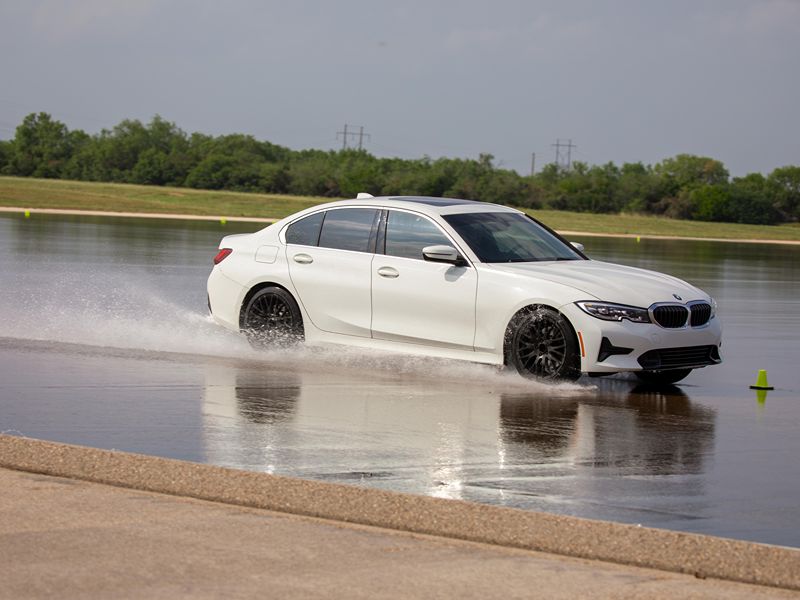
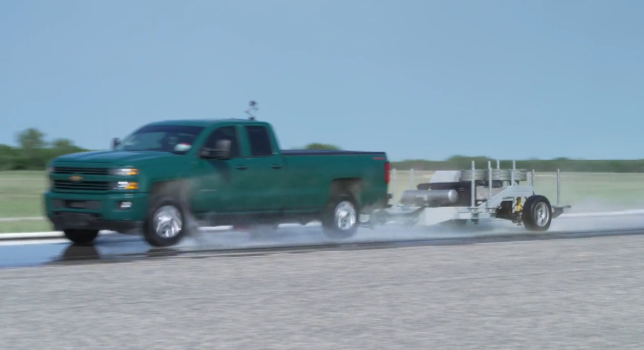
In the real world, wet road surfaces involve many variables. From surface types to water depth to water quality, the tire will see a variety of conditions. But when benchmarking and validating tire tread designs and wet traction performance, testing requires a whole different level of consistency to truly understand what the tire can do. It’s critical that every lap and every evaluation can count on the same conditions to develop data that engineers can trust and use to make critical design decisions.
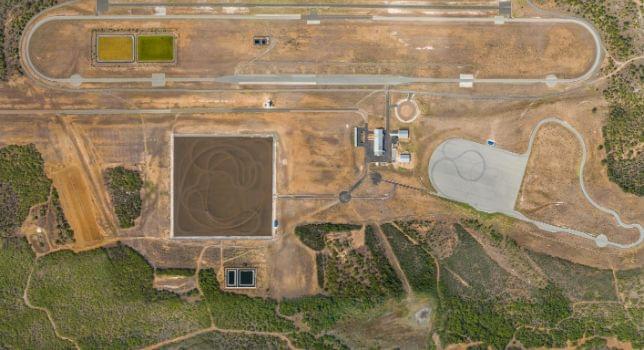
In the newest installment of the Behind the Test series, we look at the importance of water quality on wet grip testing. Our Track Systems Manager, Taylor Floyd, walks through several topics related to how we tightly control our wet surfaces at Treadwell Research Park and why it matters for wet grip testing.
What you will learn from this video:
What is a wet vehicle dynamics area (VDA) and what is it used for?
What makes our surface different?
What elements are critical to a consistent testing surface?
What role does water quality play, and how do we treat it?
To learn more about how we prepare our wet surfaces, watch the video below.
Why it matters for your testing program
Wet grip is a regulated and heavily marketed performance attribute, and small differences in tread design can be worth meaningful differences in handling or stopping distance. If a test surface introduces its own variability, those differences can distort testing data and compromise true performance evaluations. A controlled surface and consistent water quality can make wet traction results comparable across tires, sessions, and development cycles.
To get started with your next wet grip benchmarking study, reach out to our experts to scope your next program.
Ask a Question
Taylor
Floyd
Track Systems Manager - Treadwell Research Park, Materials Science and Engineering North America